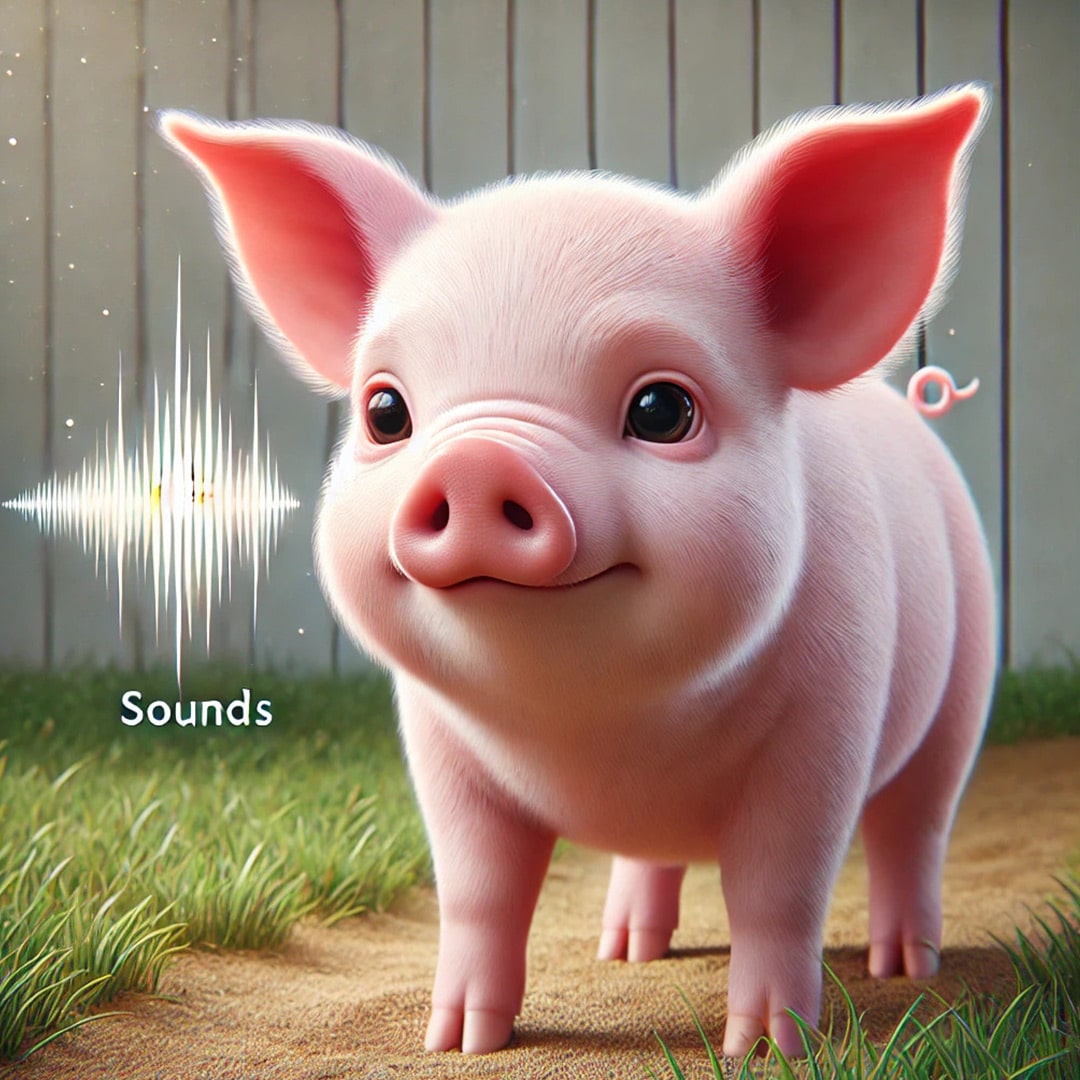
Types of Pig Sounds: Fun Facts and Examples for Kids
Discover the different types of pig sounds with fun facts and examples for kids! Learn how and why pigs oink, grunt, squeal, and bark, and explore what each sound means in their daily lives.
Real strategies. Tested in live classes. Written by teachers, not algorithms. Browse 600+ guides on spoken English, Bhagavad Gita wisdom, math fluency, and confident parenting built for Indian children ages 4 to 15.
Discover the different types of pig sounds with fun facts and examples for kids! Learn how and why pigs oink, grunt, squeal, and bark, and explore what each sound means in their daily lives.
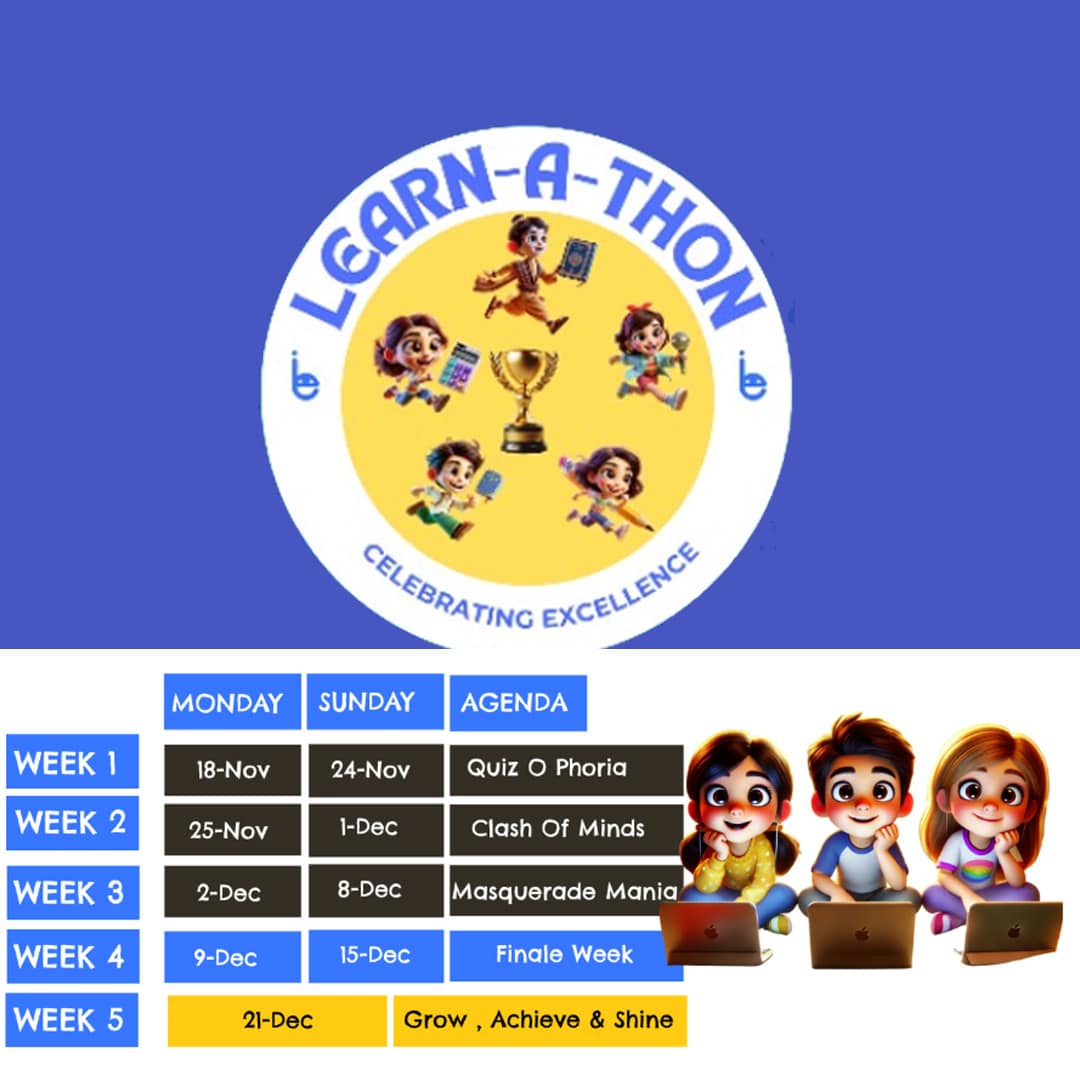
This Nov & Dec, Bambinos.live hosts Learn-A-Thon—a fun, global event for kids 4-16 to learn, showcase talents, and enjoy activities in reading, math, shlokas & more!
Discover effective strategies to help children overcome public speaking fear, build confidence, and enhance their communication skills for lifelong success.
Explore types of cat sounds with fun examples for kids! Discover how purrs, meows, and more help us understand feline feelings and bond with our furry friends.
Help kids read with ease! Discover a Phonics Sound Chart—a fun tool to link letters to sounds, boosting young learners’ reading skills and confidence.
Camel Sounds Explained for Kids: Discover types of camel sounds with fun examples and easy definitions to learn how camels communicate!
The Impact of Global Warming: Explore this in-depth essay on climate change, its causes, effects, and urgent solutions for a sustainable future.
This blog teaches how to polish the dialogue that would give your characters and conversations a life-like feel. It doesn’t matter if your book revolves around artificial intelligence or interpersonal interactions, dialogue is the link that opens the door
Discover causes, effects, and solutions of water pollution in this essay by Bambinos.Live. Learn how pollutants harm ecosystems and health, plus ways to prevent contamination.
Discover phonics for beginners! Learn why 3-letter words are ideal and explore our fun worksheets designed to make phonics engaging and enjoyable for kids.
The Shiv Shadaksar Stotra is often seen as one of the most powerful Lord Shiva Mantras. Let's learn more about this powerful Shiva Mantra.
Here are some simple and fun art activities for preschoolers that would open the doors for creativity and a great escape for kids from school assessments.
Page 29 of 54 · 642 articles
The six things parents type into Google or ChatGPT before they ever click "Book Demo." Honest, specific answers no marketing fluff. If yours isn't here, just write to us.
Ask us anythingChildren can start spoken English classes as early as age 4. The window between ages 4 and 9 is when the brain absorbs language patterns most easily, so early structured speaking practice — especially in small live groups — produces the strongest fluency and accent over time. Bambinos' Unbox English course starts from age 4 and goes through to 15.
Online Bhagavad Gita classes for kids are live, age-appropriate, and story-led. At Bambinos' Gita for Kids, children join 1-on-1 or 1-on-6 live video sessions on Zoom with a trained teacher. Each 45-minute class blends Sanskrit shloka chanting, Mahabharata storytelling, dharma discussion, and a short reflection — designed for a child's attention span. No prior Sanskrit knowledge needed.
The most reliable way is short daily practice (10–15 minutes) focused on mental calculation, paired with concept-first teaching rather than drilling. Replace timed tests with story problems, use real-world math (money, cooking, distance), and let your child explain their method out loud. Bambinos' Alpha Math uses exactly this approach across 100+ live classes.
Every Bambinos class is 100% live never a recorded video. Children join real-time video sessions in either 1-on-1 or 1-on-6 small groups with a trained teacher who calls on them by name, asks questions, and gives instant feedback. This is the core difference between Bambinos and most other kids' learning apps in India today.
With consistent live practice, most shy children show visible confidence improvement within 8 to 12 weeks (about 2–3 months of regular classes). The change is gradual: first they answer when called on, then they volunteer answers, and finally they initiate discussion. Bambinos parents commonly report classroom participation increases within the first 30 days.
The Bhagavad Gita teaches children timeless skills modern schooling overlooks: how to handle difficult choices (dharma), how to focus the mind (meditation), how to face setbacks calmly, and how to lead with values. When taught age-appropriately through stories and shlokas, kids absorb decision-making frameworks that benefit them for life — independent of any religious context. Curious parents can read our full guide on early Gita learning.