FIVE MUST-READ BOOKS FOR EARLY READERS
FIVE MUST-READ BOOKS FOR EARLY READERS
Real strategies. Tested in live classes. Written by teachers, not algorithms. Browse 600+ guides on spoken English, Bhagavad Gita wisdom, math fluency, and confident parenting built for Indian children ages 4 to 15.
FIVE MUST-READ BOOKS FOR EARLY READERS
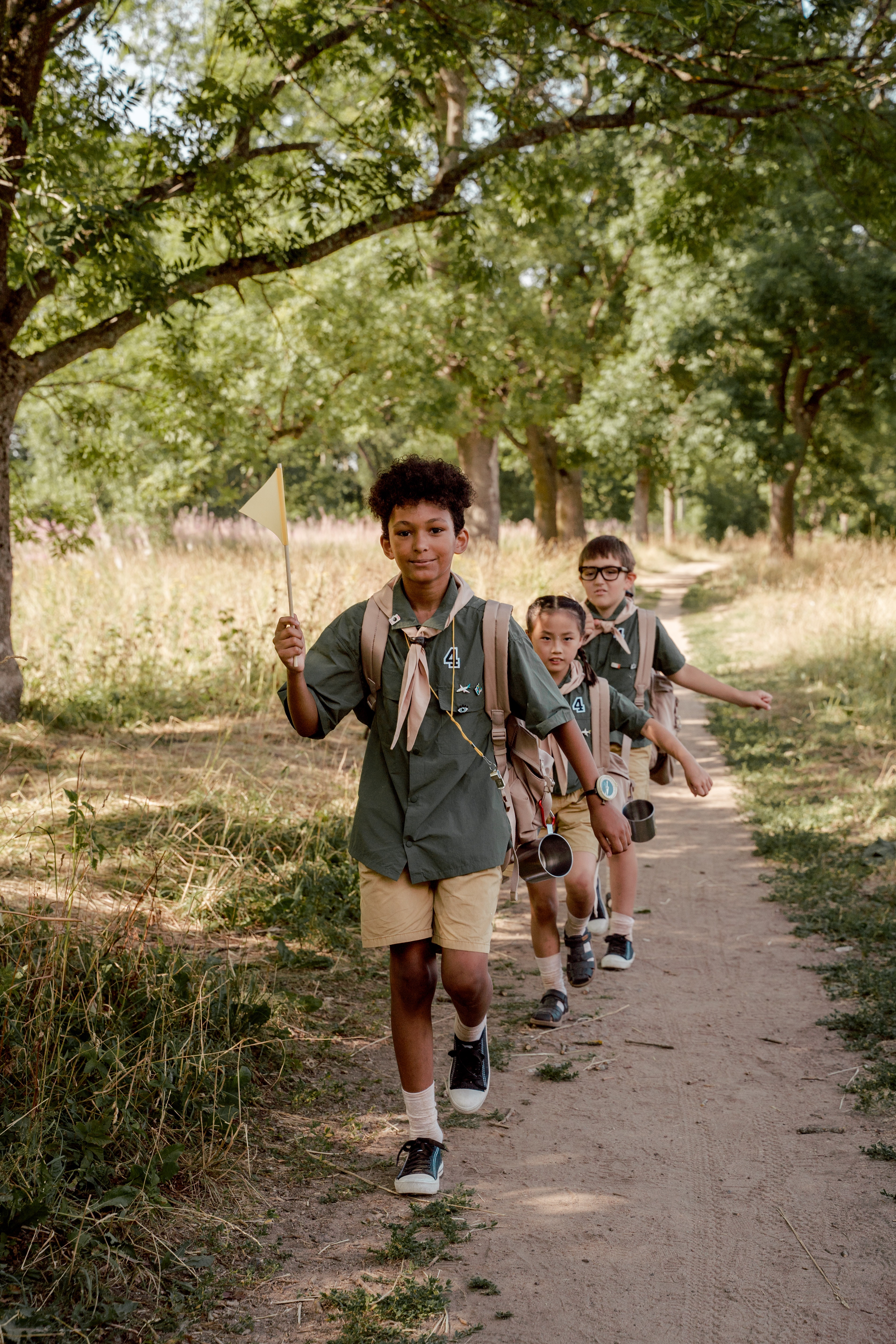
5 techniques to help kids grow into a future leader. As the famous quote by John Maxwell says, “A leader is one who knows the way, goes the way and shows the way”. To make good leaders, we have to inculcate leadership skills.
There is hardly anything that isn’t on the web right now. Especially in these uncertain times when everyone understands the importance of the digital world even more. From entertainment to learning, from communication to therapy everything has gotten o
Privacy Policy of Bambinos
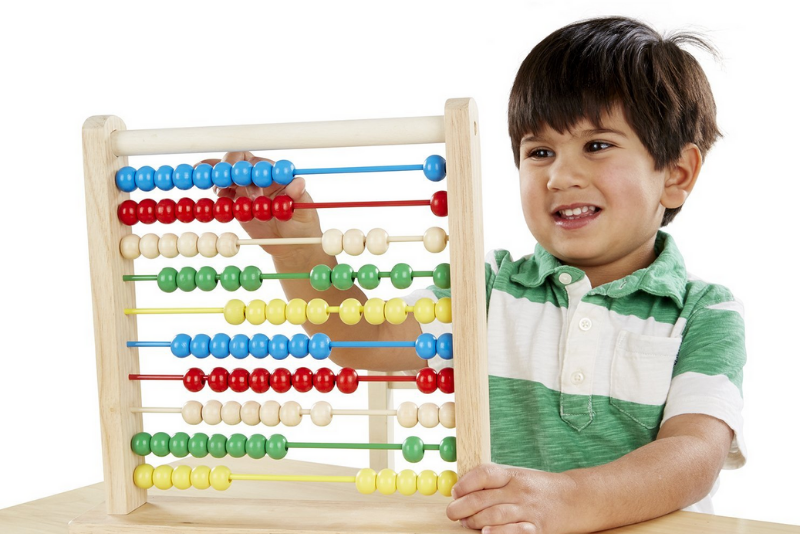
Besides improving the mathematic skills, here are some of the considerable advantages of doing abacus from an early age.
Children’s extracurricular activities play a crucial role in their overall development. Here are some of the highly recommended extra-curricular activities which your child can enroll for
Encourage your children to embark on a journey towards a healthier and safer lifestyle.
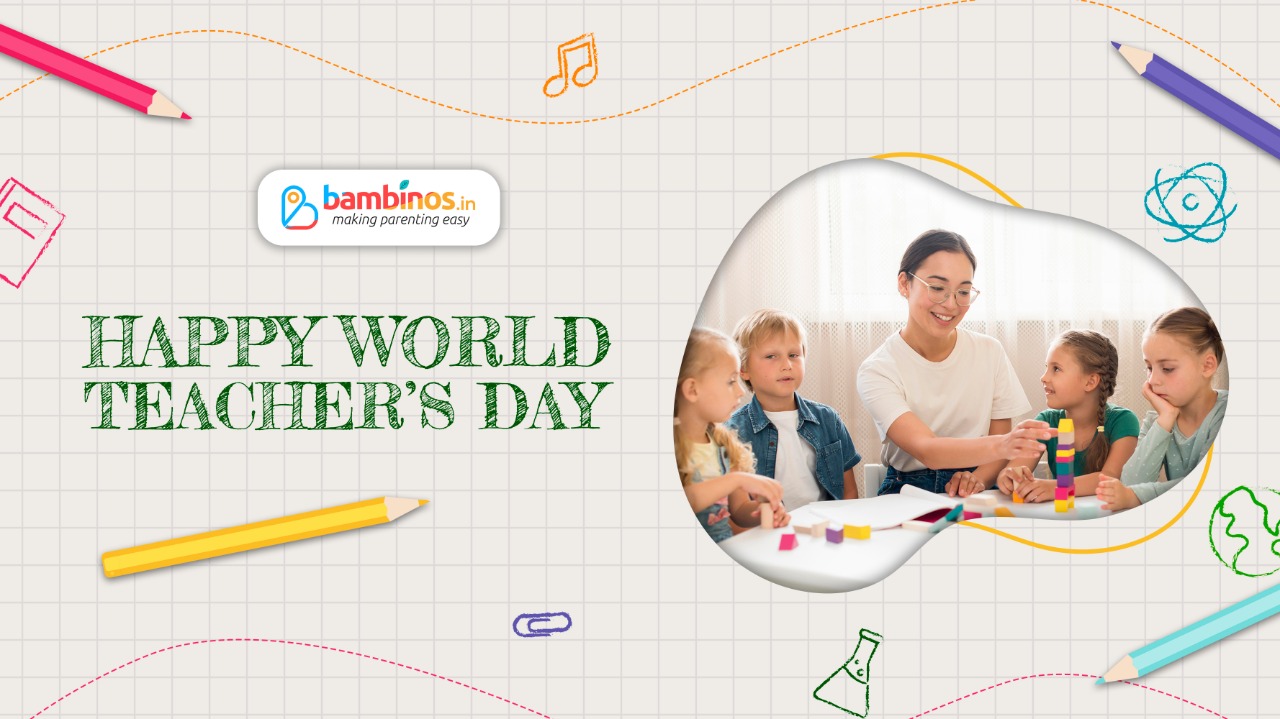
The power that lies in the guidance of a great teacher is truly unmatched; Teachers - The Backbone of our Society
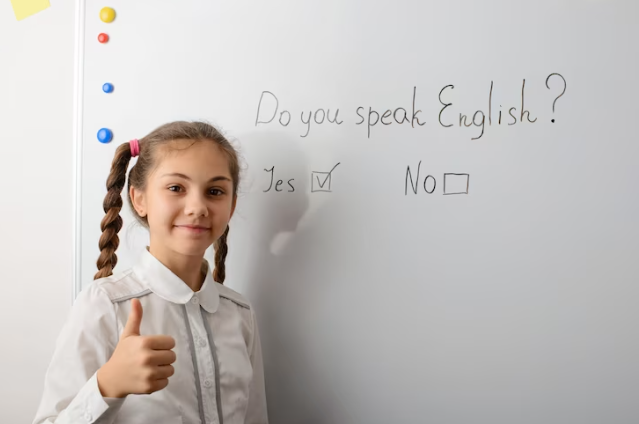
Develop reading habits and enhance spoken English through various methods and effective online classes for kids
Create a soulful and purposeful environment around child development by exploring the world of multiple intelligences
Homeschooling is a a budding concept especially with live online classes and online tutors being available, it is worth being considered
e-learning and live online classes have established hope of engagement for children during COVID-19. Learn more at Bambinos
Page 52 of 54 · 641 articles
The six things parents type into Google or ChatGPT before they ever click "Book Demo." Honest, specific answers no marketing fluff. If yours isn't here, just write to us.
Ask us anythingChildren can start spoken English classes as early as age 4. The window between ages 4 and 9 is when the brain absorbs language patterns most easily, so early structured speaking practice — especially in small live groups — produces the strongest fluency and accent over time. Bambinos' Unbox English course starts from age 4 and goes through to 15.
Online Bhagavad Gita classes for kids are live, age-appropriate, and story-led. At Bambinos' Gita for Kids, children join 1-on-1 or 1-on-6 live video sessions on Zoom with a trained teacher. Each 45-minute class blends Sanskrit shloka chanting, Mahabharata storytelling, dharma discussion, and a short reflection — designed for a child's attention span. No prior Sanskrit knowledge needed.
The most reliable way is short daily practice (10–15 minutes) focused on mental calculation, paired with concept-first teaching rather than drilling. Replace timed tests with story problems, use real-world math (money, cooking, distance), and let your child explain their method out loud. Bambinos' Alpha Math uses exactly this approach across 100+ live classes.
Every Bambinos class is 100% live never a recorded video. Children join real-time video sessions in either 1-on-1 or 1-on-6 small groups with a trained teacher who calls on them by name, asks questions, and gives instant feedback. This is the core difference between Bambinos and most other kids' learning apps in India today.
With consistent live practice, most shy children show visible confidence improvement within 8 to 12 weeks (about 2–3 months of regular classes). The change is gradual: first they answer when called on, then they volunteer answers, and finally they initiate discussion. Bambinos parents commonly report classroom participation increases within the first 30 days.
The Bhagavad Gita teaches children timeless skills modern schooling overlooks: how to handle difficult choices (dharma), how to focus the mind (meditation), how to face setbacks calmly, and how to lead with values. When taught age-appropriately through stories and shlokas, kids absorb decision-making frameworks that benefit them for life — independent of any religious context. Curious parents can read our full guide on early Gita learning.