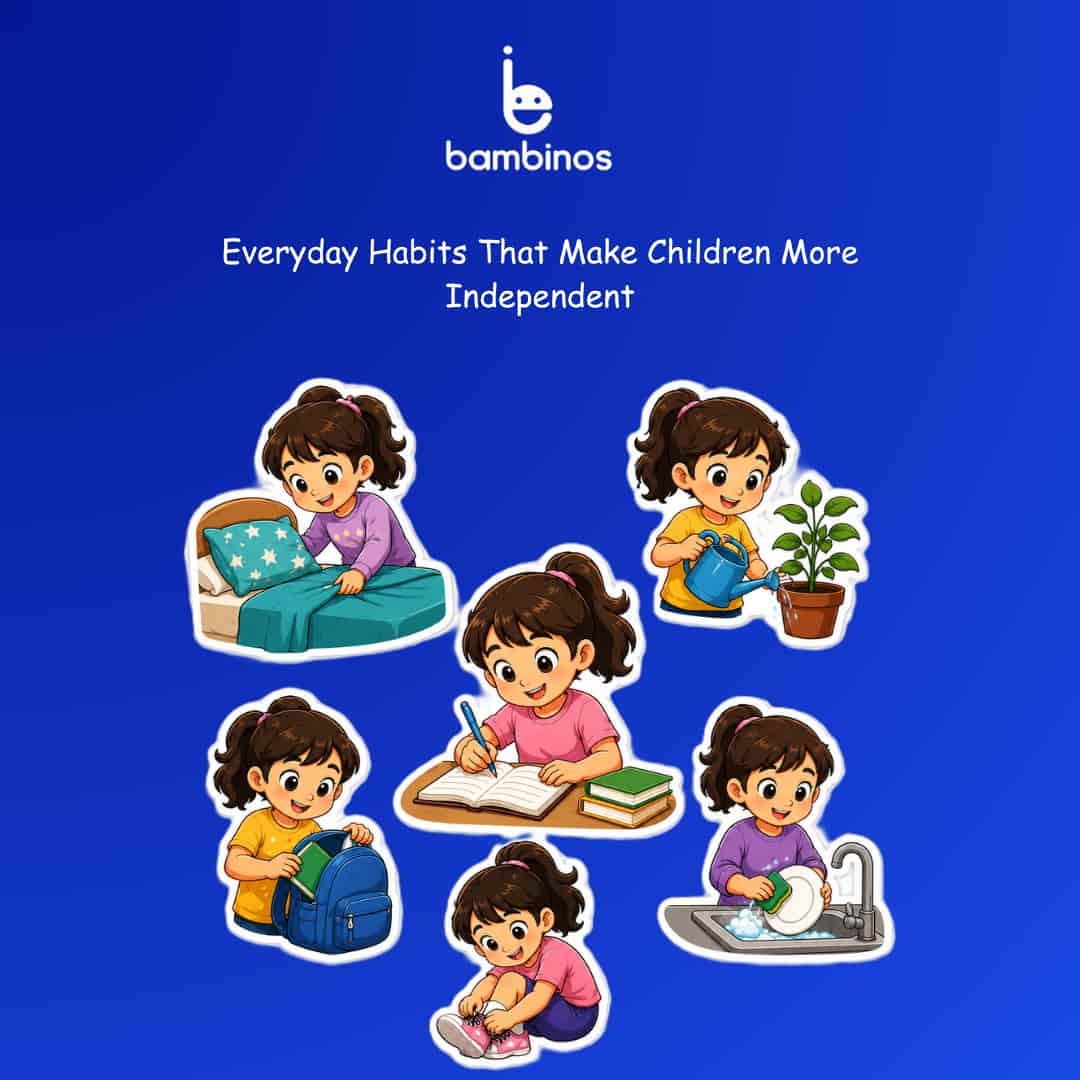
The seven everyday habits that can help children become more independent are completing age-appropriate tasks, making simple choices, managing personal belongings, following routines, solving problems, taking responsibility for mistakes, and helping with household activities. Practicing these habits regularly can build confidence, responsibility, problem-solving skills, and resilience.
Every parent wants to raise confident, capable, and responsible children who can handle life's challenges with confidence. However, child independence doesn't develop overnight. It is built through small, consistent habits that encourage children to think, solve problems, and take responsibility for their actions. By allowing children to do age-appropriate tasks and make simple decisions, parents support healthy child development while preparing them for adulthood.
Many parents unintentionally do everything for their children out of love or convenience. While this may save time, it can prevent children from developing important life skills for kids such as decision-making, responsibility, and resilience. Encouraging independence doesn't mean leaving children to figure everything out on their own. Instead, it means guiding them while gradually giving them more responsibility.
Here are seven everyday habits that help raise independent children and contribute to their emotional, social, and cognitive growth.
1. Let Children Handle Age-Appropriate Responsibilities
One of the best parenting tips for encouraging independence is assigning regular responsibilities. Simple daily tasks teach children accountability and help them understand that every family member contributes.
Young children can begin by putting away their toys, watering plants, or feeding a pet with supervision. As they grow older, they can make their bed, pack their school bag, help prepare meals, or fold laundry. These responsibilities teach time management, discipline, and ownership. Bhagavad Gita Helps Build Discipline and Responsibility in Kids by introducing values that encourage children to take responsibility for their actions and develop good habits. When children complete tasks successfully, they feel proud of their achievements, boosting their self-esteem and encouraging further independence. Remember, the goal isn't perfection but learning through regular practice.
2. Encourage Problem-Solving Instead of Giving Immediate Answers
Children naturally encounter small challenges every day, whether it's completing homework, resolving a disagreement with a sibling, or figuring out how to build something. Instead of immediately providing solutions, parents can ask guiding questions such as, "What do you think you should try first?", "Can you think of another way to solve this?", or "What happened the last time?" This approach develops critical thinking and decision-making abilities while strengthening confidence and building. Children learn that they are capable of finding solutions rather than relying on adults for every answer. Problem-solving is one of the most valuable life skills for kids because it prepares them to face increasingly complex situations throughout life.
3. Allow Children to Make Simple Choices
Decision-making is an essential part of child development. Giving children appropriate choices teaches them responsibility while allowing them to experience the consequences of their decisions.
For younger children, this may involve choosing between two healthy snacks, selecting the bedtime story, or deciding which outfit to wear. Older children can choose how to organise their homework schedule, select extracurricular activities, or help plan family meals. Providing limited choices empowers children without overwhelming them. They learn that their opinions matter while developing confidence in their judgment.
4. Teach Daily Self-Care Skills
Independent children know how to care for themselves according to their age and abilities. Parents should gradually teach daily self-care skills such as brushing teeth, getting dressed independently, organising school supplies, packing lunch or snacks, cleaning up after meals, and maintaining personal hygiene.
Parents can first demonstrate these tasks and then slowly reduce assistance as children become more capable. Although this process may take longer initially, allowing children to complete these tasks independently builds competence and responsibility. These routines become valuable habits that support healthy child development and prepare children for greater independence later in life.
5. Let Children Experience Natural Consequences
Protecting children from every mistake may seem helpful, but mistakes often provide the greatest learning opportunities. For example, if a child forgets their homework once, they may experience disappointment at school. This natural consequence teaches responsibility more effectively than repeated reminders.
Parents should always step in when safety is at risk, but allowing children to experience manageable consequences helps them connect their choices with outcomes. This strengthens responsibility in children, encourages better decision-making, and helps children become more resilient when facing future challenges.
6. Involve Children in Household Decisions and Family Life
Children feel more capable when they actively participate in family life rather than simply following instructions. Parents can invite them to help plan weekend activities, prepare grocery shopping lists, organise family schedules, prepare simple meals, or even help budget for a small family outing.
Participation teaches communication skills, cooperation, planning, and teamwork. More importantly, it helps children understand that their contributions are meaningful. Feeling valued increases motivation to take responsibility and is an effective way of raising responsible kids.
7. Praise Effort, Responsibility, and Persistence
Praise plays a powerful role in confidence building, but the type of praise matters. Instead of focusing only on results, parents should recognise effort and responsibility. Saying things like, "You worked really hard on cleaning your room," "I noticed you remembered your homework without being reminded," or "You kept trying even when it was difficult," encourages children to value persistence over perfection.
Parents should also help children recognise their own achievements by asking reflective questions such as, "How do you feel about what you accomplished?" or "What are you most proud of today?" This encourages intrinsic motivation and supports long-term independence rather than dependence on external praise.
Why Everyday Habits Matter?
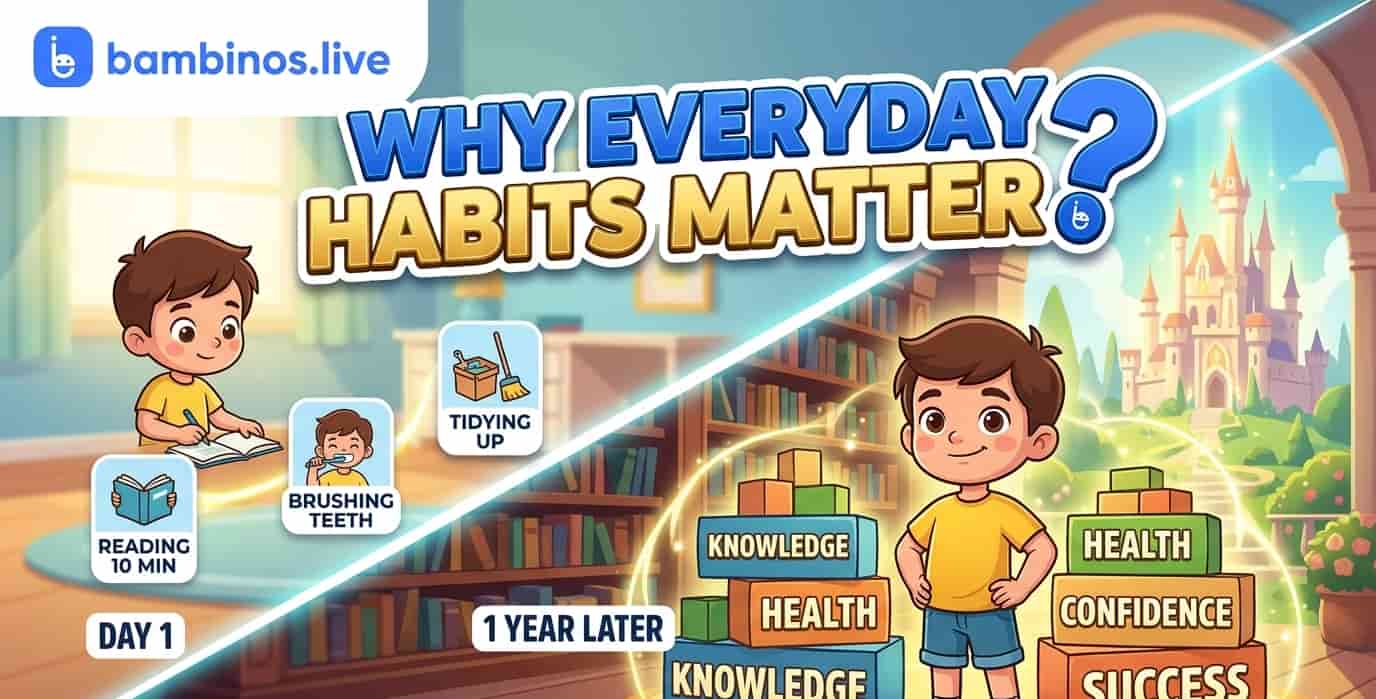
Independence develops gradually through repeated daily experiences. Every small opportunity to make decisions, solve problems, complete responsibilities, and learn from mistakes contributes to a child's overall development.
Parents don't need expensive programs or complicated strategies to encourage independence. The most effective lessons often happen during ordinary routines at home. Bhagavad Gita classes for kids can also complement these everyday lessons by introducing values such as discipline, responsibility, and self-awareness in an age-appropriate way. When children consistently practice responsibility, they become more confident, adaptable, and capable of managing life's challenges. These qualities benefit them throughout school, friendships, careers, and adulthood.
It is also important to remember that every child develops at their own pace. Some children naturally seek independence early, while others need additional encouragement and patience. Comparing children with others can reduce confidence rather than build it. Instead, celebrate steady progress and provide opportunities that match your child's developmental stage.
Small Habits That Shape Confident Children
Raising independent children is one of the greatest gifts parents can offer. By encouraging responsibility, allowing age-appropriate choices, teaching practical life skills for kids, and supporting problem-solving, parents help children grow into confident and capable adults.
These seven everyday habits may seem simple, but their long-term impact is significant. Small daily opportunities to practice independence foster resilience, accountability, and self-confidence while supporting healthy child development.
With patience, consistency, and encouragement, parents can successfully nurture child independence, helping their children become responsible, confident individuals who are ready to face the world with courage and competence.
To teach the beautiful stories of the Bhagavad Gita and life skills which can shape their overall personality and habits, enrol your kid on the Little Yogi classes in Bambinos.live, which offers easy-to-understand Bhagavad Gita lessons through interactive and joyful classes.
Help your child learn values and practical life skills. Book a demo for Little Yogi classes at Bambinos.live.
FAQs
1. At what age can children start doing tasks independently?
Children can start simple supervised tasks from around two to three years, such as putting away toys or dressing with help. As they grow, parents can introduce age-appropriate responsibilities like making the bed, packing school bags, or helping with household tasks. Each child's abilities and development should guide the level of responsibility.
2. Why is independence important for child development?
Independence is important for child development because it helps children build confidence, decision-making skills, problem-solving abilities, and resilience. Completing age-appropriate tasks gives children a sense of achievement and encourages responsibility. Regular opportunities to make choices and handle simple responsibilities can prepare children to manage everyday, academic, and social situations more confidently.
3. How can parents encourage independence without leaving children unsupported?
Parents can encourage independence by offering guidance while allowing children to complete tasks themselves. Demonstrate the activity, provide simple instructions, and gradually reduce assistance as children become comfortable. Offering limited choices and asking guiding questions can also support decision-making. Parents should remain available for help while allowing children to learn through manageable mistakes.
4. Do chores help children become more responsible?
Yes, age-appropriate chores can help children develop responsibility, discipline, time management, and accountability. Simple tasks such as organising toys, making the bed, folding clothes, or helping with meals give children opportunities to contribute at home. Regular household responsibilities can also help children understand the importance of completing tasks and taking ownership of their actions.
5. How long does it take for children to become more independent?
Children develop independence gradually, and there is no fixed timeline. Progress depends on age, abilities, personality, and opportunities to practise. Consistent routines, daily responsibilities, simple choices, and problem-solving activities can help children develop independence over time. Parents should focus on steady progress rather than comparing their child's development with other children.
6. What are the signs of an independent child?
Signs of an independent child include completing age-appropriate tasks without constant reminders, making simple decisions, managing personal belongings, and attempting to solve problems before asking for help. Children may also take responsibility for mistakes and understand when they need support. These behaviours show growing confidence, responsibility, problem-solving ability, and self-reliance.
7. Can Bhagavad Gita classes help children develop life skills?
Yes, Bhagavad Gita classes for kids can introduce values such as discipline, responsibility, self-awareness, patience, and resilience. Little Yogi by Bambinos.live uses age-appropriate stories, shlokas, and interactive activities to introduce these concepts. Such classes can complement everyday learning at home and help children connect traditional teachings with practical situations and habits.
About the Author

Bambinos Learning Solutions
AuthorBambinos is India’s #1 online learning platform for kids built by a team of IIM & IIT graduates.
LinkedIn Profile ↗