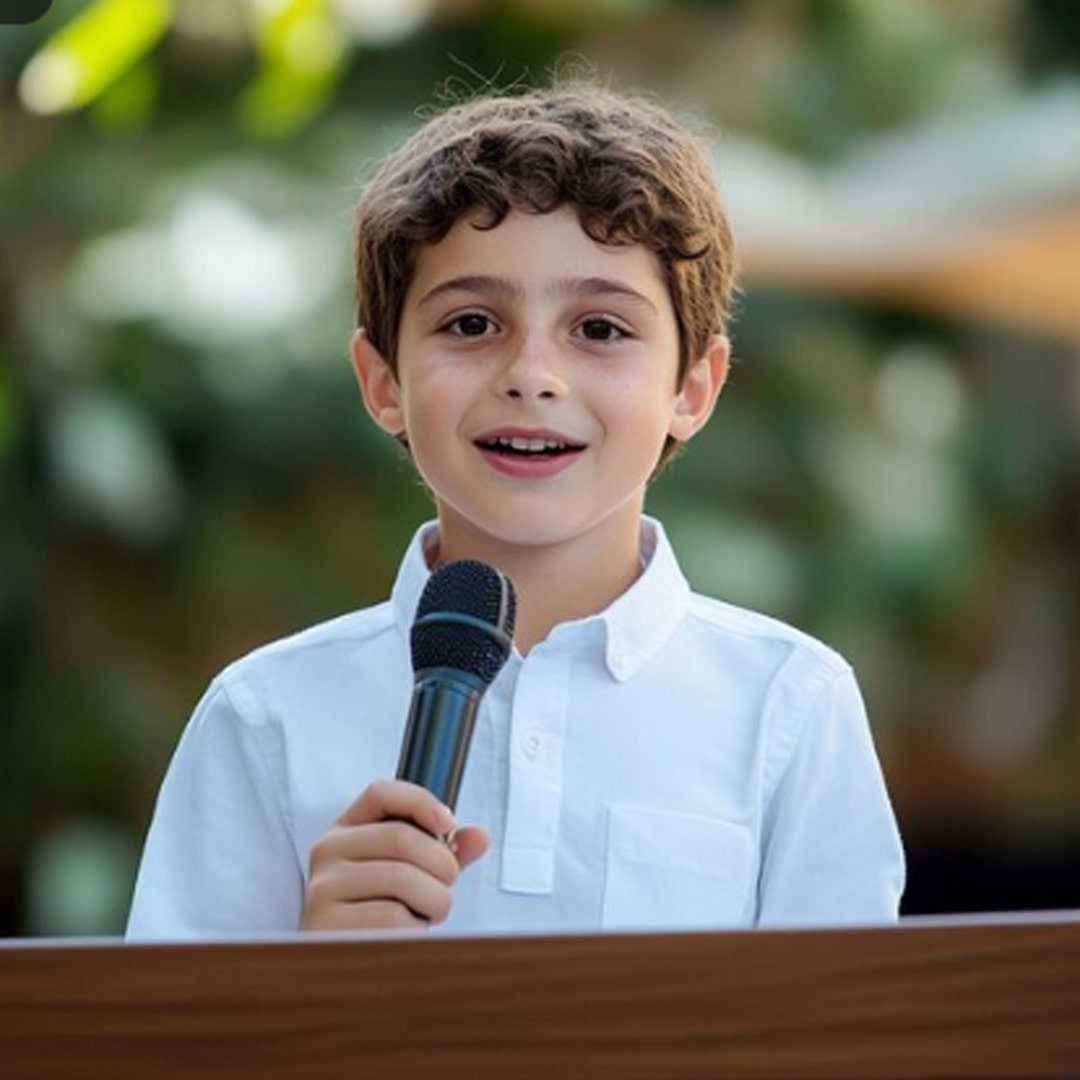
A welcome speech for a chief guest is a short address delivered at the beginning of an event to greet the invited guest and introduce them to the audience. Students commonly deliver these speeches during school annual days, assemblies, sports events and exhibitions. A welcome address should include a greeting, the purpose of the event, a brief introduction to the guest and a polite invitation to speak.
Welcoming a chief guest is an important responsibility for students taking part in school functions. It gives them an opportunity to speak before an audience and represent their school.
Preparing the speech in advance helps students organize their ideas and remember the correct order of the introduction.
Why is a welcome speech for the chief guest important?
A welcome address introduces the occasion and acknowledges the person invited as the chief guest. It also helps the audience understand what to expect at the beginning of the program.
A good welcome speech serves three purposes:
1. Introduces the event
The speaker briefly explains why everyone has gathered. For example, an annual day speech may mention the school's achievements and upcoming performances.
2. Welcomes the guest
The student introduces the chief guest by name and mentions their professional role or relevant achievements.
3. Addresses the audience
The speech acknowledges the principal, teachers, parents and students attending the occasion.
Students should use simple language and avoid adding unnecessary information about the guest.
How to write a welcome speech for a chief guest
Students can prepare their welcome address by following five steps.
1. Start with a greeting
Begin by greeting the chief guest and everyone present.
Example:
"Good morning, respected chief guest, principal, teachers, parents and my dear friends. It is my pleasure to welcome you all to our school's annual day celebration."
Use a greeting that matches the time of the event.
2. Introduce the occasion
Briefly explain why the school has organized the event.
Example:
"Today, we have gathered to celebrate our students' achievements and enjoy the performances they have prepared."
Keep this introduction short so the audience can follow the speech easily.
3. Introduce the chief guest
Mention the guest's full name and verified designation.
Example:
"We are pleased to welcome [Chief guest's name], [designation], as our chief guest for today's celebration."
If the school has provided information about the guest's work or achievements, students can include one relevant detail.
Avoid using professional titles or accomplishments that have not been confirmed.
4. Express appreciation
Thank the guest for accepting the school's invitation.
Example:
"Thank you for taking the time to join us. We are delighted to have you here and look forward to hearing your thoughts."
5. Invite the chief guest to speak
Finish by inviting the guest to address the gathering.
Example:
"May I now invite our respected chief guest, [Name], to address the audience. Please join me in giving our guest a warm welcome."
Students should then step aside and allow the guest to approach the microphone.
Example 1: Welcome speech for chief guest at a school annual day
Suitable for: Classes 4–8 Duration: Approximately 1 minute
Good evening, respected chief guest, principal, teachers, parents and my dear friends.
It is my pleasure to welcome you all to our school's annual day celebration.
Today is a special occasion for our school. We have gathered to celebrate our students' hard work and enjoy the performances they have prepared.
We are honored to have [Chief guest's name], [designation], with us this evening.
Thank you for accepting our invitation and joining our celebration. We are delighted to have you here.
I would also like to welcome our parents, teachers and fellow students who have gathered for this occasion.
May I now invite our respected chief guest, [Name], to share a few words with us.
Please give our guest a warm round of applause.
Thank you.
Example 2: Short welcome speech for chief guest at a school assembly
Suitable for: Classes 1–4 Duration: Approximately 30–40 seconds
Good morning, respected chief guest, principal, teachers and dear friends.
A warm welcome to everyone gathered here today.
We are happy to have [Chief guest's name] with us for this special school assembly.
Thank you for taking the time to visit our school.
We are excited to listen to you and learn from your experiences.
On behalf of our teachers and students, I extend a warm welcome to you.
May I now invite our chief guest to address us.
Thank you.
Example 3: Welcome speech for chief guest at a school science exhibition
Suitable for: Classes 6–9 Duration: Approximately 1 minute
Good morning, respected chief guest, principal, teachers, parents and fellow students.
Welcome to our school's science exhibition.
Over the past few weeks, our students have worked on projects that explore scientific questions and demonstrate classroom learning.
Today, we are excited to present those projects and explain the ideas behind them.
We are pleased to welcome [Chief guest's name], [designation], as our chief guest.
Thank you for joining us and taking an interest in our students' work.
We look forward to hearing your observations and suggestions.
May I now invite our respected chief guest to address the gathering and formally open the exhibition.
Thank you.
How should students introduce a chief guest on stage?
Students should confirm the guest's details with their teacher or school coordinator before preparing the introduction.
|
Information |
What students should check |
|
Guest's full name |
Correct spelling and pronunciation |
|
Designation |
Current position or profession |
|
Organization |
Correct institution or company name |
|
Achievements |
Only verified and relevant details |
|
Event schedule |
Whether the guest will speak immediately |
A chief guest's introduction does not need to include their entire biography.
For example, if the invited guest is a scientist, students may briefly mention their research area if the information has been confirmed by the school.
The introduction should remain relevant to the occasion.
How can kids practice delivering a welcome speech?
Writing a speech is only the beginning. Students also need to practice delivering it clearly.
Activity: Practice with pauses and audience contact
Step 1: Read the speech aloud
Read the complete welcome address at a comfortable pace. Identify any words that are difficult to pronounce.
Step 2: Mark natural pauses
Place a small slash between phrases where a short pause would help.
For example:
"Good morning, respected chief guest, / principal, teachers / and my dear friends."
Step 3: Check the guest's name
Ask a teacher to confirm the pronunciation of the guest's full name and designation.
Step 4: Look toward the audience
Students can look up briefly after greeting the audience or introducing the event.
They do not need to memorize every sentence. A cue card can help them remember the sequence.
Step 5: Practice the final invitation
Say the closing invitation clearly and step aside as though the guest is approaching the stage.
This helps students become familiar with the entire presentation, including the transition.
Common mistakes to avoid in a welcome speech
Students should review their speeches for the following mistakes before presenting them.
Incorrect guest details
Using the wrong name, designation or achievement can cause embarrassment. Confirm these details before the event.
Repeating the greeting
Avoid welcoming the same audience several times. A clear opening greeting and a polite invitation at the end are sufficient.
Making the speech too long
A welcome address should introduce the event rather than explain the complete program.
Using complicated words
Students should choose words they understand and can pronounce comfortably.
Speaking too quickly
Nervousness can cause students to rush. Short pauses allow the audience to follow the introduction.
Forgetting the final invitation
If the chief guest is scheduled to speak next, the welcome address should end by inviting them to the stage.
How long should a welcome speech be?
The length depends on the occasion and the time provided by the school.
|
School event |
Suggested duration |
|
Morning assembly |
30–45 seconds |
|
Annual day celebration |
1–2 minutes |
|
Science exhibition |
Around 1 minute |
|
Sports day |
45–90 seconds |
These durations are suggestions. Students should follow the event coordinator's instructions if a specific speaking time has been assigned.
A student can use a timer during rehearsal to check the length of the speech.
A welcome speech for a chief guest should greet the audience, introduce the occasion, acknowledge the invited guest and lead naturally to the next part of the event.
Students can use the examples above as a starting point and replace the placeholders with accurate details provided by their school.
Reading the speech aloud, checking pronunciations and practicing short pauses can make the presentation easier to deliver.
Students who are preparing for the closing part of an event can also read our guide to a vote of thanks speech.
For children who want to work on school presentations and spoken English, explore Unbox English by Bambinos.live.
Book a free English demo class.
Frequently asked questions
How do you start a welcome speech for a chief guest in school?
A student can begin by greeting the chief guest, principal, teachers and other members of the audience. The opening should mention the school event and express appreciation for everyone's presence. For example, "Good morning, respected chief guest, principal, teachers and dear friends. Welcome to our school's annual day celebration."
How do you introduce a chief guest on stage?
A student should introduce the chief guest by mentioning their full name and verified designation. The introduction may include one relevant achievement or a brief explanation of the guest's connection to the event. It should end with a polite invitation for the guest to address the gathering.
What is a short welcome speech for a school function?
A short welcome speech usually includes a greeting, a brief description of the event and an introduction to the chief guest. The speaker then thanks the guest for attending and invites them to speak. A duration of approximately 30–60 seconds may be suitable for a short school function.
How can kids speak confidently while welcoming a chief guest?
Kids can prepare by reading their speech aloud and practicing difficult words before the event. Rehearsing in front of a teacher or parent helps them become familiar with the sequence. Students can also use cue cards and brief pauses while addressing the audience.
What should students avoid in a chief guest welcome speech?
Students should avoid incorrect names, exaggerated achievements and unnecessary details about the guest. Repeating the same phrases or using words they do not understand can make the speech harder to deliver. A short, respectful introduction is usually more suitable for school events.
What is the difference between a welcome speech and a vote of thanks?
A welcome speech is delivered at the beginning of an event to greet the audience and introduce the occasion. A vote of thanks is usually presented near the end to acknowledge the people who contributed to the program. Both are formal speeches, but they serve different purpose,
About the Author

Sahr Ahmed
AuthorSahr Ahmed is a dedicated educator with expertise in enhancing students' phonics, communication abilities, and self-assurance. She adeptly facilitates the clear and compelling expression of ideas, tailoring her guidance to suit each student's disposition and aspirations. Sahr fosters creativity, celebrates uniqueness, and cultivates a patient and encouraging educational atmosphere.
LinkedIn Profile ↗