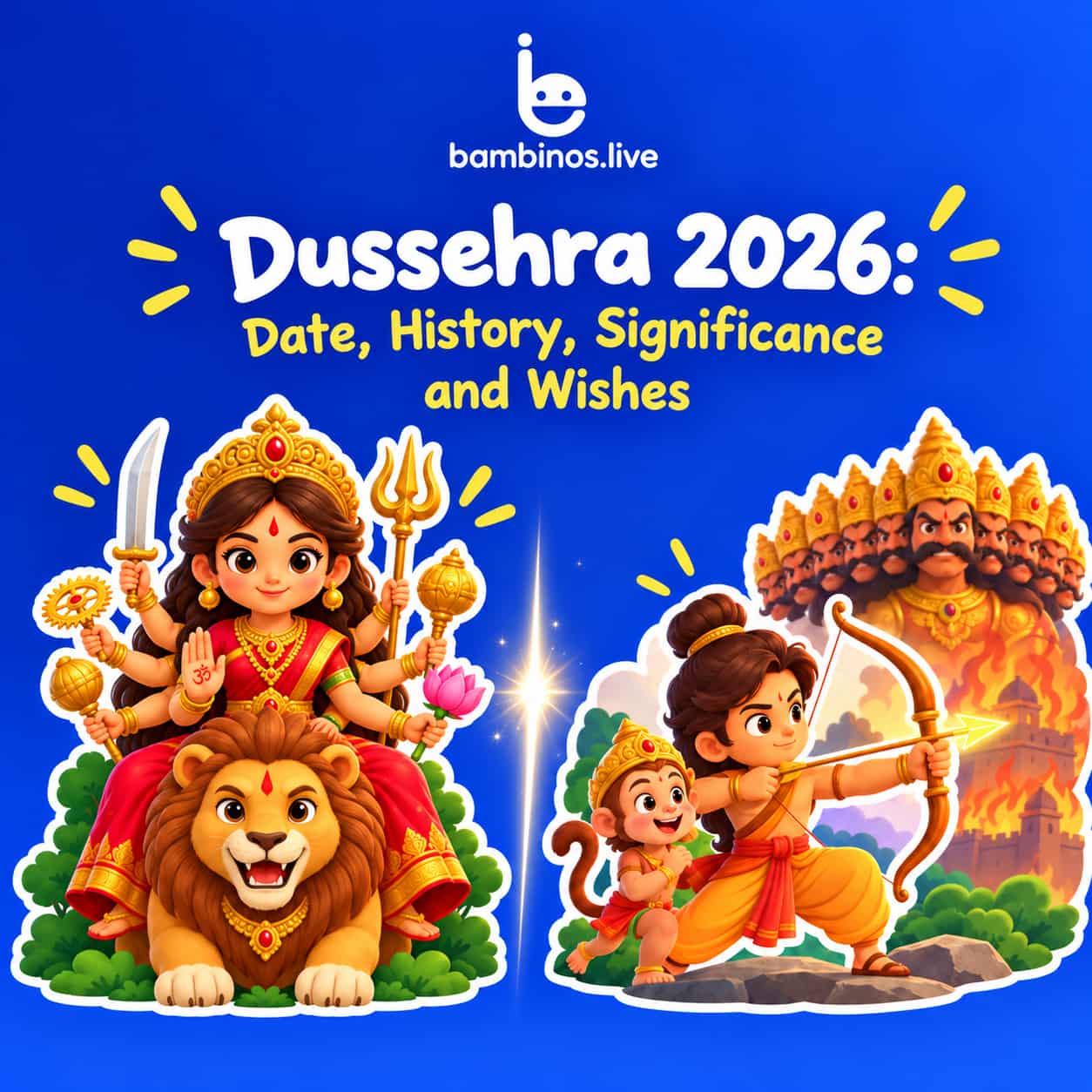
Dussehra 2026 will be celebrated on Tuesday, October 20, 2026, in many parts of India. Also known as Vijayadashami or Dasara, the festival is associated with Lord Rama’s victory over Ravana and Goddess Durga’s victory over Mahishasura.
In West Bengal and some eastern regions, Bijoya Dashami, the final day of Durga Puja, will be observed on Wednesday, October 21, 2026. Celebrations vary across regions and include Ramlila performances, Ravana effigy burning, Durga Puja festivities, prayers, processions, and family gatherings.
This article covers the date, history, significance, rituals, celebrations, puja timings, and wishes for Dussehra 2026.
When is Dussehra in 2026?
Dussehra, also known as Vijayadashami or Dasara, will be celebrated on Tuesday, October 20, 2026, in most parts of India. The festival is observed on the tenth day of the Hindu month of Ashwin and symbolises the victory of good over evil.
In West Bengal, Odisha, and some parts of Eastern India, the final day of Durga Puja, known as Bijoya Dashami, will be observed on Wednesday, October 21, 2026.
What is the history of Dussehra?
Dussehra, also known as Vijayadashami, is a Hindu festival with roots in ancient Hindu traditions. Its history is mainly associated with the stories of Lord Rama's victory over Ravana and Goddess Durga's victory over Mahishasura. These stories are celebrated through different customs across India.
The story of Lord Rama and Ravana
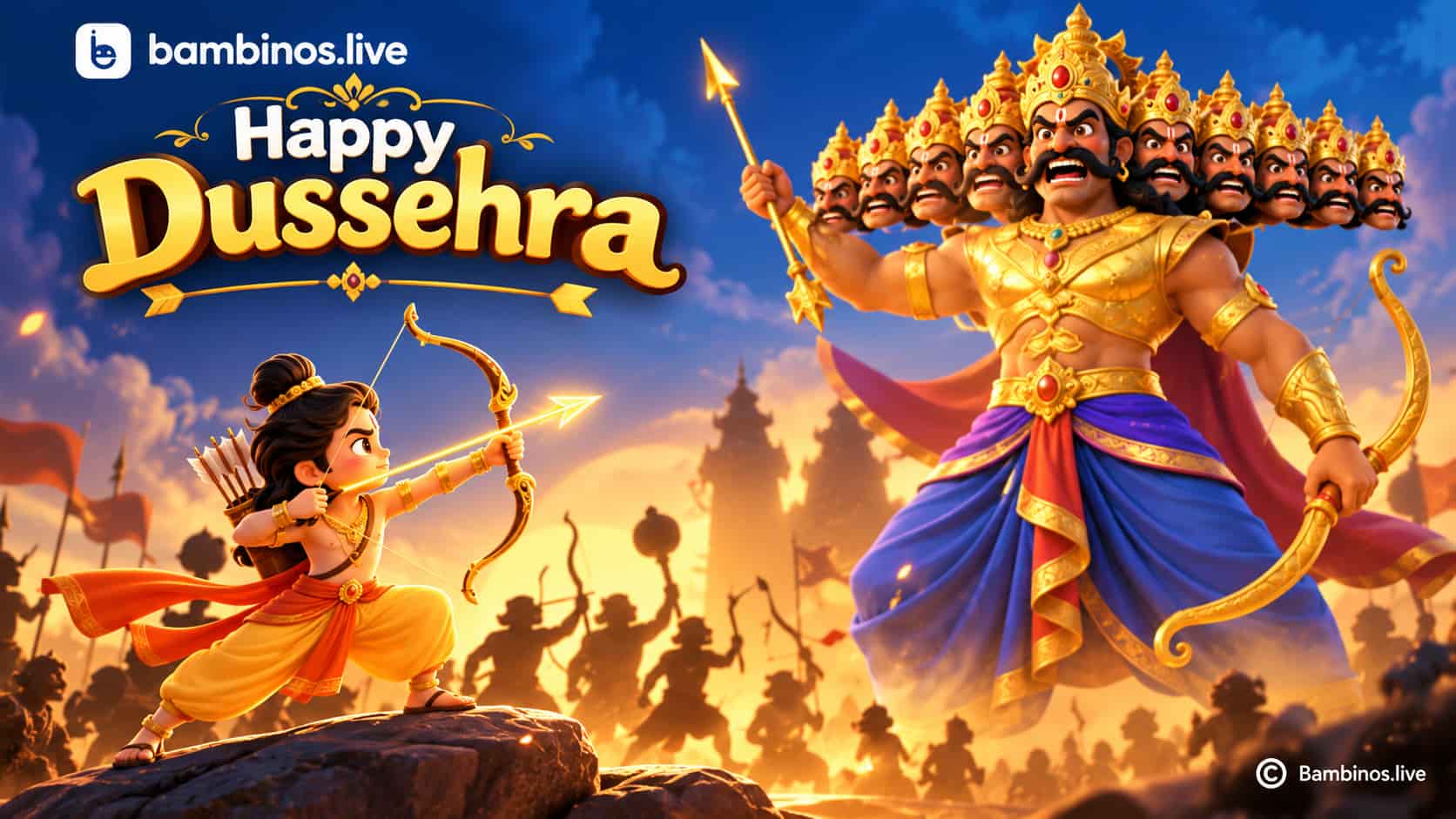
According to the Ramayana, Lord Rama spent 14 years in exile with his wife, Sita, and his brother, Lakshmana. During their exile, Ravana, the king of Lanka, abducted Sita and took her to Lanka. Rama then travelled to Lanka with the help of Hanuman, Sugriva, and their army to rescue her.
Rama and Ravana fought a major battle in Lanka. On the tenth day, Lord Rama defeated and killed the ten-headed Ravana and rescued Sita. This victory is traditionally associated with Vijayadashami, also known as Dussehra, and represents the victory of good over evil.
Ravana's ten heads are often interpreted as representing negative qualities that people should overcome. His defeat therefore carries a broader message about choosing righteousness and overcoming negative qualities in life.
In many parts of India, people commemorate Rama's victory through Ramlila performances and the burning of effigies of Ravana, often along with Kumbhakarna and Meghanada. The burning of these effigies symbolises the triumph of good over evil.
The story of Goddess Durga and Mahishasura
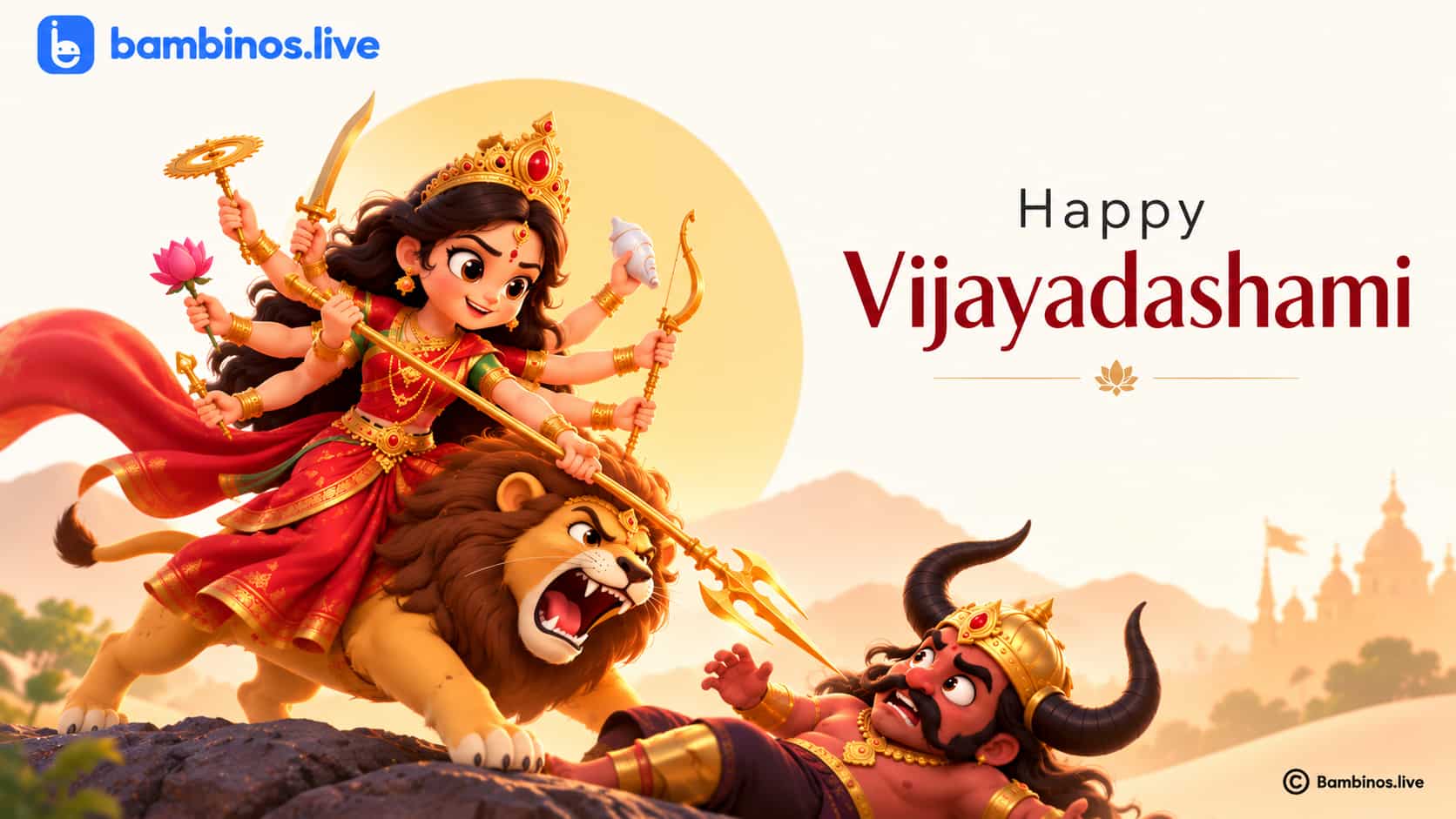
Another important story associated with Vijayadashami is the battle between Goddess Durga and Mahishasura. According to Hindu tradition, Mahishasura gained great power and defeated the gods, creating fear and disorder.
The divine powers of the gods came together to create Goddess Durga, who fought Mahishasura for nine nights and ten days. On the tenth day, Durga defeated him.
This story is closely connected with Durga Puja, particularly in eastern India, where Vijayadashami marks the final day of the festival.
Why is Dussehra celebrated?
Dussehra is celebrated to remember these traditional stories and their values. Ramlila, Ravana effigy burning, Durga Puja, prayers, processions, and cultural events are some of the ways people observe Vijayadashami across India.
The festival carries a message about righteousness, courage, and the eventual defeat of wrongdoing, although the specific traditions and stories vary from one region to another.
When is the Dussehra puja muhurat?
The Dussehra puja muhurat in 2026 is on Tuesday, October 20. The Vijay Muhurat will be from 1:59 PM to 2:45 PM, making it the main auspicious period for Dussehra puja.
The Aparahna Puja time will be from 1:14 PM to 3:30 PM on the same day. These timings are based on the Hindu calendar and may vary by location.
What are the important Dussehra rituals?
The important Dussehra rituals include Ravana Dahan, Shastra Puja, Shami Puja, Aparajita Puja, and Durga Visarjan. People observe these rituals according to their regional customs and family traditions. Some rituals are closely associated with Dussehra, while others are specific to Durga Puja celebrations.
Ravana Dahan
Ravana Dahan is one of the most recognisable Dussehra rituals. People burn large effigies of Ravana, and in some places, they also burn effigies of Kumbhakarna and Meghanada. The ritual represents Lord Rama's victory over Ravana and usually takes place in the evening.
Shastra Puja
Shastra Puja, also known as Ayudha Puja in some traditions, involves worshipping weapons, tools, machinery, books, and other items used for work. People clean these items, place them for worship, and offer prayers as a mark of respect for their work and livelihood.
Shami Puja
Shami Puja involves worshipping the Shami tree on Dussehra. In some regions, people exchange Shami leaves as a symbolic gesture associated with prosperity, peace, and good fortune.
Aparajita Puja
Aparajita Puja is an afternoon ritual dedicated to Goddess Aparajita. Devotees offer prayers during the auspicious period and traditionally seek victory, success, and protection.
Durga Visarjan
Durga Visarjan marks the conclusion of Durga Puja in regions where the festival is closely connected with Dussehra. Devotees carry the idol of Goddess Durga in a procession and immerse it in a water body as part of the farewell ceremony.
Sindur Khela
Sindur Khela is a traditional Bengali ritual observed on the final day of Durga Puja. Married women traditionally apply sindoor to Goddess Durga and to one another as part of the farewell celebrations.
How can we celebrate Dussehra at home?
We can celebrate Dussehra at home by performing prayers, spending time with family, and sharing festive meals. Families can also read or discuss stories from the Ramayana.
People can create simple decorations, prepare festive food, and make Dussehra greeting cards. Children can also take part in drawing or craft activities related to the festival.
Families can choose eco-friendly decorations and avoid activities that create unnecessary waste.
What are Dussehra wishes in English?
Dussehra wishes can be shared with family and friends to spread happiness and good wishes and celebrate the festival together.
1. Happy Dussehra! May your family have a peaceful and joyful celebration.
2. May this Dussehra bring happiness, peace, and positivity to your home.
3. Wishing you and your family a very Happy Vijayadashami.
4. May this Dussehra bring new hope and happiness to your life.
5. Wishing you and your loved ones a happy and peaceful Dussehra.
What are Dussehra wishes in Hindi?
दशहरे की शुभकामनाएँ परिवार और दोस्तों के साथ साझा करके इस त्योहार को खुशी के साथ मनाया जा सकता है।
1. आपको और आपके परिवार को विजयादशमी की हार्दिक शुभकामनाएँ।
2. यह दशहरा आपके जीवन में सुख, शांति और खुशियाँ लेकर आए।
3. आपको दशहरे के पावन पर्व की हार्दिक शुभकामनाएँ।
4. विजयादशमी का यह पर्व आपके जीवन में नई खुशियाँ और नई आशाएँ लेकर आए।
5. आपको और आपके प्रियजनों को दशहरा की हार्दिक शुभकामनाएँ।
What are Dussehra wishes in Tamil?
விஜயதசமி நல்வாழ்த்துகளை குடும்பத்தினருக்கும் நண்பர்களுக்கும் பகிர்ந்து, இந்தப் பண்டிகையை மகிழ்ச்சியுடன் கொண்டாடலாம்.
1. அனைவருக்கும் இனிய விஜயதசமி நல்வாழ்த்துகள்!
2. உங்களுக்கும் உங்கள் குடும்பத்தினருக்கும் இனிய விஜயதசமி நல்வாழ்த்துகள்!
3. உங்கள் குடும்பத்துடன் இனிய விஜயதசமி திருநாளைக் கொண்டாட வாழ்த்துகள்!
4. இந்த விஜயதசமி உங்கள் வாழ்வில் புதிய நம்பிக்கையையும் மகிழ்ச்சியையும் கொண்டு வரட்டும்.
5. உங்களுக்கும் உங்கள் அன்புக்குரியவர்களுக்கும் இனிய விஜயதசமி நல்வாழ்த்துகள்!
What are Dasara wishes in Kannada?
ದಸರಾ ಶುಭಾಶಯಗಳನ್ನು ಕುಟುಂಬದವರು ಮತ್ತು ಸ್ನೇಹಿತರೊಂದಿಗೆ ಹಂಚಿಕೊಂಡು, ಈ ಹಬ್ಬವನ್ನು ಸಂತೋಷದಿಂದ ಆಚರಿಸಬಹುದು.
1. ಎಲ್ಲರಿಗೂ ವಿಜಯದಶಮಿಯ ಹಾರ್ದಿಕ ಶುಭಾಶಯಗಳು!
2. ನಿಮಗೂ ನಿಮ್ಮ ಕುಟುಂಬಕ್ಕೂ ವಿಜಯದಶಮಿಯ ಹಾರ್ದಿಕ ಶುಭಾಶಯಗಳು!
3. ನಿಮ್ಮ ಕುಟುಂಬದೊಂದಿಗೆ ವಿಜಯದಶಮಿ ಹಬ್ಬವನ್ನು ಸಂತೋಷದಿಂದ ಆಚರಿಸಿ.
4. ಈ ವಿಜಯದಶಮಿ ನಿಮ್ಮ ಜೀವನದಲ್ಲಿ ಹೊಸ ಭರವಸೆ ಮತ್ತು ಸಂತೋಷವನ್ನು ತರಲಿ.
5. ನಿಮಗೂ ನಿಮ್ಮ ಪ್ರೀತಿಪಾತ್ರರಿಗೂ ವಿಜಯದಶಮಿಯ ಹಾರ್ದಿಕ ಶುಭಾಶಯಗಳು!
Dussehra Wishes from Bambinos.live
Dussehra is a time to remember the values of courage, wisdom, kindness, and self-discipline.
At Bambinos.live, Our Little Yogi course, introduces kids to traditional wisdom through Bhagavad Gita teachings, Sanskrit shlokas, stories, meditation, and life skills. These teachings can help kids develop confidence, clarity, and leadership while connecting with values that can guide them through life.
This Dussehra, give your kid an opportunity to explore these timeless teachings. Book a free demo.
Wishing you and your family a happy and peaceful Dussehra from Bambinos.live.
FAQs
1. When is Dussehra in 2026?
Dussehra falls on Tuesday, October 20, 2026. The festival is also known as Vijayadashami or Dasara in different parts of India. People observe Dussehra on the Dashami tithi of Shukla Paksha in the Hindu month of Ashwin. The exact tithi timings may vary by location.
2. Are Dussehra and Vijayadashami the same?
Yes, Dussehra and Vijayadashami generally refer to the same festival. Vijayadashami marks the tenth day of the lunar fortnight. People commonly use the names Dussehra and Dasara for the festival in different parts of India. The traditions and celebrations may vary from one region to another.
3. दशहरा कब है 2026?
दशहरा 20 अक्टूबर 2026, मंगलवार को है। लोग दशहरा को विजयादशमी के नाम से भी जानते हैं। यह पर्व आश्विन मास के शुक्ल पक्ष की दशमी तिथि को मनाया जाता है। पूजा और तिथि का सही समय स्थान के अनुसार अलग हो सकता है।
4. Dussehra kab hai 2026?
Dussehra 20 October 2026 ko hai. Log ise Vijayadashami aur Dasara ke naam se bhi jaante hain. Yeh festival Ashwin mahine ke Shukla Paksha ki Dashami tithi ko manaya jata hai. Puja ka exact samay location ke hisab se alag ho sakta hai.
5. Dasara kab hai 2026?
Dasara 20 October 2026 ko hai. Log Dasara ko Dussehra aur Vijayadashami ke naam se bhi jaante hain. Karnataka mein log Dasara ko traditional processions, cultural programmes aur religious events ke saath manate hain. Exact puja timing ke liye log apne local Panchang ko check kar sakte hain.
6. Why do we celebrate Dussehra?
People celebrate Dussehra to mark the victory of good over evil. According to the Ramayana tradition, Lord Rama defeated Ravana on this day. In several regions, people also associate Vijayadashami with Goddess Durga's victory over Mahishasura. These traditions give Dussehra its religious and cultural significance.
7. How is Dussehra celebrated in India?
People celebrate Dussehra through prayers, Ramlila performances, Ravana effigy burning, processions, and cultural programmes. Different states and communities follow different traditions. People in North India commonly organise Ramlila performances and effigy burning, while Karnataka is known for its Dasara celebrations. Other regions follow their own Vijayadashami customs.
8. What is the difference between Dussehra and Diwali?
Dussehra and Diwali are two different Hindu festivals. Dussehra, also known as Vijayadashami, is associated with the victory of good over evil. Diwali is known as the festival of lights and takes place later in the year. Each festival has its own stories, rituals, and traditions.
9. What is the Dussehra puja muhurat in 2026?
The Dussehra puja muhurat varies from one location to another. Panchang calculations determine the Vijay Muhurat for each location. Local sunrise and sunset timings can also affect the auspicious period. People can check a local Panchang for the exact puja timing in their city.
10. What are some popular Dussehra wishes?
Popular Dussehra wishes share messages of happiness, peace, prosperity, positivity, and new beginnings. People send these wishes to family, friends, colleagues, and loved ones. They can share Dussehra wishes through WhatsApp, greeting cards, social media, or personal messages. People can also send wishes in English, Hindi, Tamil, Kannada, and other regional languages.
About the Author

Bambinos Learning Solutions
AuthorBambinos is India’s #1 online learning platform for kids built by a team of IIM & IIT graduates.
LinkedIn Profile ↗