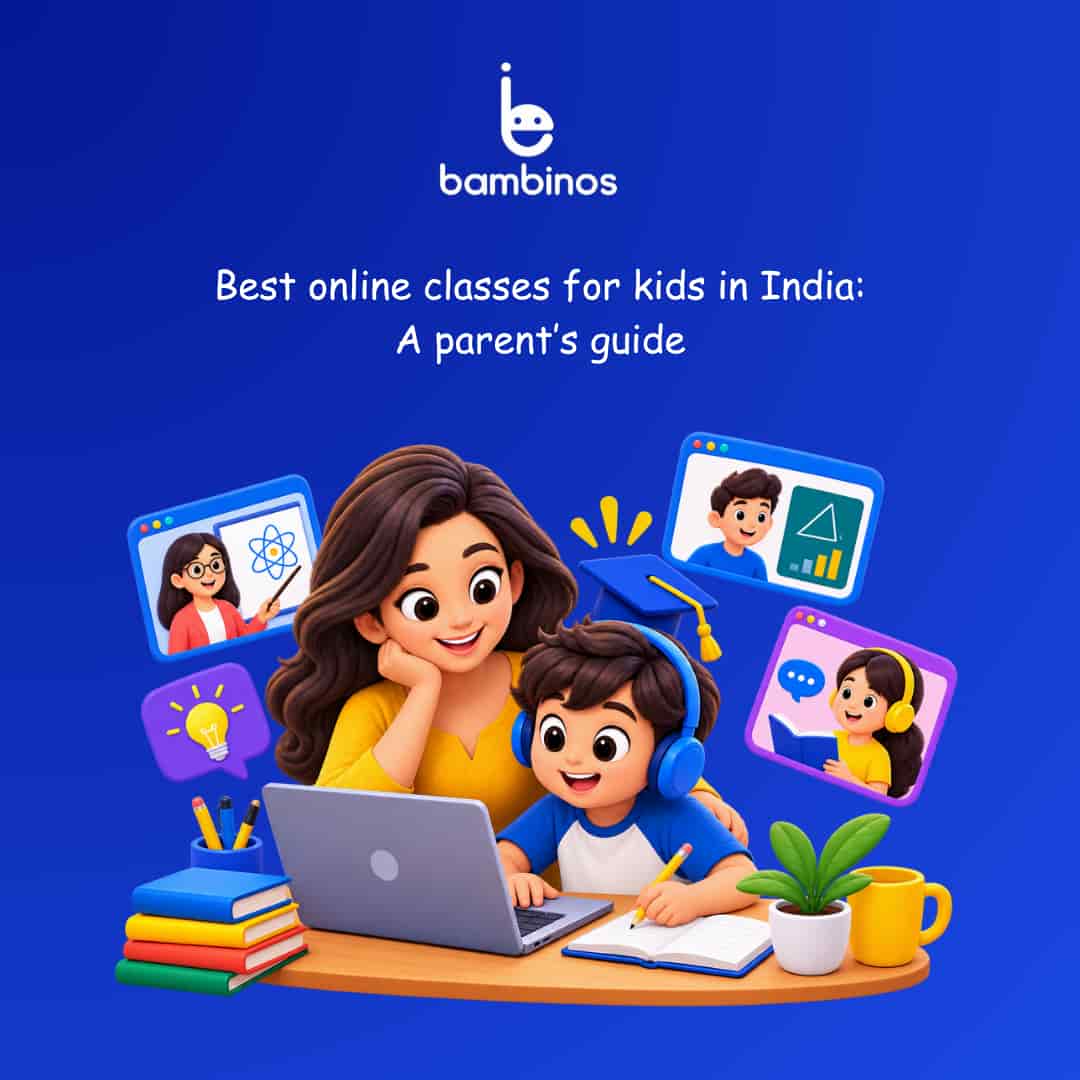
The best virtual classes for kids in India combine engaging teaching, age-appropriate content, teacher interaction, and opportunities to participate. Parents can compare class size, teaching methods, course structure, activities, and learning formats to find a program that matches their child's interests, age, and learning needs.
Choosing an online learning program can be difficult when parents have many options to compare. Different online e learning platforms offer different teaching styles, subjects, class formats, and levels of interaction.
Recorded lessons can offer flexibility, but some children may benefit from live interaction, guided activities, and opportunities to communicate with teachers and peers. This makes interactive learning an important consideration for families.
Bambinos.live provides live, remote learning experiences through small-group classes and structured courses. With Doodle-based learning and teacher-led interaction, Bambinos.live supports children through engaging learning experiences designed around different ages and interests.
In this guide, we will explore what parents should look for when choosing the best virtual classes for kids in India, the different types of programs available, and how Bambinos.live can fit into a child's learning journey.
What should parents look for in virtual classes?
The best online classes for kids are not simply the ones with the largest number of courses. Parents can consider how the program is taught, how children participate, and whether the learning experience is suitable for their child's age.
Live and interactive teaching
Live teaching gives children opportunities to interact with teachers during a class. Children can ask questions, respond to activities, share ideas, and participate in discussions rather than only watching recorded lessons.
Interactive virtual classes can be useful for children who enjoy learning through conversation and activities. Parents can check whether teacher interaction is a regular part of the class experience.
Small-group classes
Class size can influence how much opportunity a child has to participate. Small group classes can create an environment where children interact with teachers and peers while receiving structured guidance.
Parents comparing the best virtual classes for kids in India can check how many learners attend each session. A smaller group may provide more opportunities for children to speak, answer questions, and participate in activities.
Age-appropriate learning
A program designed for a preschooler may not be suitable for an older child. Parents should check whether the course content, activities, teaching approach, and expected participation match the child's age.
For younger learners, classes for preschoolers, an online nursery class, or virtual preschool classes may focus on stories, activities, communication, and foundational concepts.
Older learners may benefit from subject-based programs, communication activities, creative learning, or virtual classes for teens designed around their learning stage.
Interactive activities
Children may engage differently when lessons include activities instead of only explanations. Visuals, stories, games, questions, demonstrations, and creative tasks can make an online session more participatory.
Parents exploring online learning platforms for students can look at how activities are included in lessons. The aim is to find a program that encourages children to participate, think, and communicate.
Structured courses
A clear course structure helps parents understand what their child will learn and how the program progresses. It also makes it easier to compare different learning programs before enrolling.
A structured learners platform may provide courses across different subjects and skills. Parents can check the course duration, learning objectives, activities, class frequency, and age suitability.
Which types of virtual classes can kids explore?
Children can explore different types of online learning based on their age, interests, and learning needs. Parents do not have to choose a program simply because it is popular.
Instead, they can consider whether the course provides activities and teaching methods that are appropriate for their child. This can make the learning experience more relevant and engaging.
Storytelling and communication classes
Storytelling can encourage children to listen, express ideas, build vocabulary, and communicate through narratives. Parents looking for creative options can explore a storytelling course or storytelling classes designed for their child's age. Online English coaching for kids and teens can also complement storytelling by helping them strengthen vocabulary, communication, and confidence in using English.
A storytelling virtual course may include story creation, narration, discussion, and creative activities. Storytelling classes online can also give children opportunities to listen to peers and practise expressing their own ideas, while online English coaching for kids and teens provides structured opportunities to develop their language and communication skills.
Confidence-building classes
Confidence can develop through opportunities to participate, communicate, and express ideas in supportive environments. Parents can explore confidence building classes that encourage children to speak, collaborate, and participate.
Confidence building courses may include communication exercises, presentations, storytelling, role-play, and group activities. These courses to improve confidence should focus on practice and encouragement rather than promising instant personality changes.
Early learning and preschool classes
Young children may benefit from programs designed around their developmental stage. virtual classes for preschoolers can introduce learning through stories, visual activities, songs, conversations, and age-appropriate exercises.
Parents comparing online learning platforms for elementary students can also check whether programs are separated by age and learning level. This can help children engage with content appropriate for their stage.
How can parents compare online learning platforms?
There are many top online education platforms, but each platform may follow a different teaching model. Comparing practical factors can help parents narrow down their options.
|
Factor |
What parents can check |
|
Class format |
Live, recorded, or blended |
|
Class size |
Individual, small group, or large group |
|
Teacher interaction |
Questions, discussions, feedback, and participation |
|
Course structure |
Clear lessons, activities, and progression |
|
Age suitability |
Content designed for the child's age |
|
Activities |
Stories, games, visuals, projects, or discussions |
|
Flexibility |
Class schedules and availability |
|
Learning environment |
Interactive and child-friendly approach |
The best e learning platform for one child may not be the same for another. Parents can consider their child's interests, preferred learning style, schedule, and comfort with online learning.
Parents can also explore interactive platforms for students that provide opportunities for communication and participation. These factors can help families compare programs beyond course quantity or popularity.
What makes a good online learning experience?
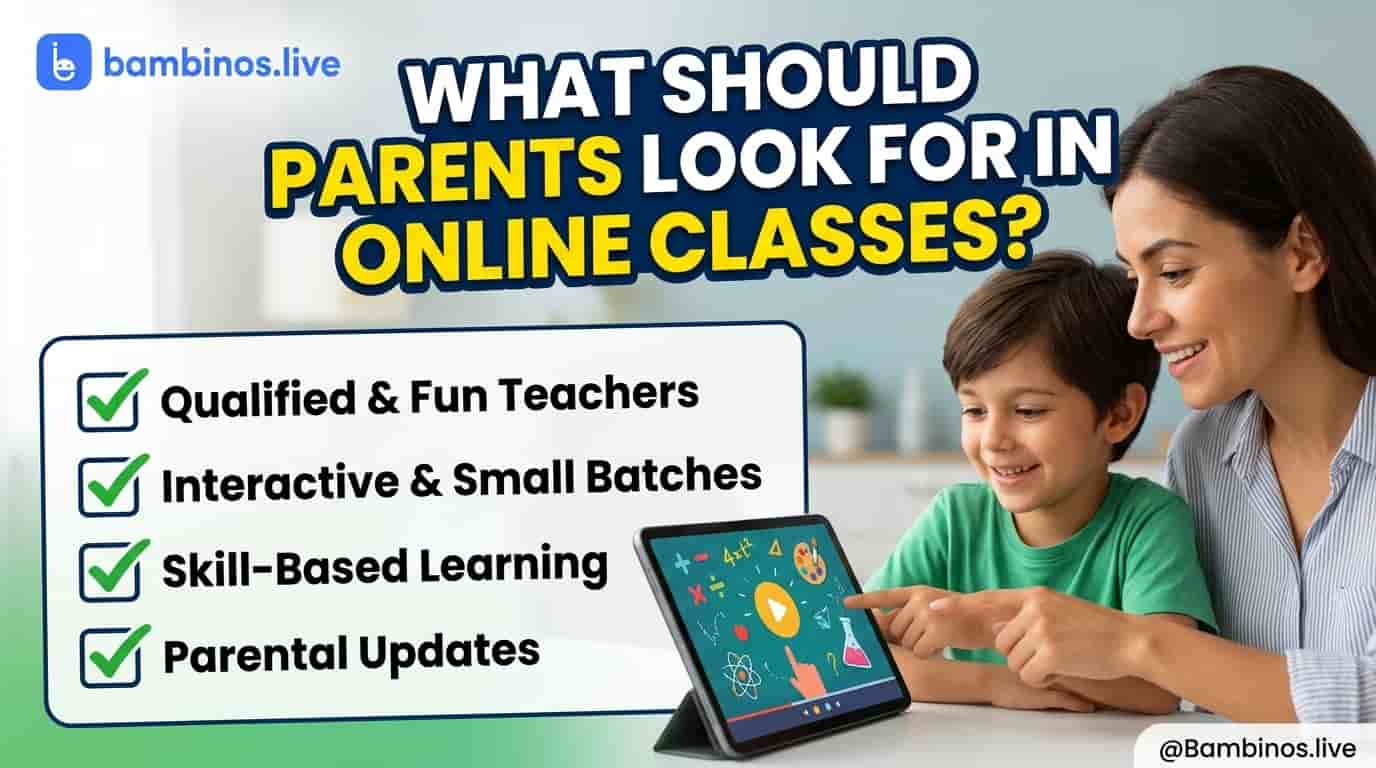 A good online learning experience should make children feel involved rather than treating them as passive viewers. Teacher interaction, activities, questions, and opportunities to communicate can make lessons more participatory. Students who engage with their virtual course for two or more hours a week show measurably better course outcomes than those who engage less, and 77% of students stay engaged throughout the course.
For younger learners, interactive virtual classes for kids in India can include storytelling, games, visual activities, demonstrations, and guided discussions. Older children and teens may benefit from problem-solving tasks, debates, projects, and activities that encourage them to explain their ideas and think independently.
Parents can also observe how their child responds to online learning. Some children may enjoy group discussions, while others may prefer visual activities, storytelling, creative exercises, or subject-based lessons. A good online class should offer enough variety to support different preferences and interests without making lessons feel overwhelming.
How can parents support online learning at home?
Parents can create a comfortable learning space where children can attend classes without unnecessary distractions. A stable internet connection, suitable device, headphones when needed, and a quiet space can make online sessions easier to follow.
It can also help to discuss what the child learned after class. Asking simple questions, encouraging children to explain an activity, or allowing them to practise what they learned can extend the experience beyond the class. Parents can also understand what parenting mistakes affect a child’s confidence and make everyday learning interactions more supportive.
Parents do not need to manage every part of the lesson. Instead, they can provide encouragement and help children develop a consistent learning routine that fits naturally into their day.
What are the benefits of small-group online learning?
Small-group classes can offer several learning advantages for children:
- More opportunities to participate: Children can have more chances to answer questions, share ideas, and take part in class activities.
- Greater teacher interaction: Smaller groups can make it easier for teachers to notice children's participation and provide guidance during lessons.
- Peer learning: Children can listen to different ideas, respond to classmates, and learn through shared activities.
- More engaging sessions: Interactive discussions and activities can make online lessons more participatory and enjoyable.
- Social learning experience: Regular interaction with peers can help children become more comfortable communicating in a learning environment.
For parents comparing interactive platforms for students, small-group learning can be considered alongside teaching quality, curriculum, activities, and age suitability.
How to choose the right program for your child
Parents can consider these five factors before choosing an online learning program:
- Identify your child's interests: Consider whether your child enjoys stories, mathematics, science, languages, communication, or creative activities. This can help you find a program that matches their interests.
- Check the class format: Look at class size, teacher interaction, activities, and whether the program offers live or recorded sessions.
- Consider age suitability: Choose a program designed for your child's age and learning stage, from classes for preschoolers to programs for older children.
- Review the course structure: Check the topics covered, lesson format, activities, and opportunities for children to participate and practise what they learn.
- Consider the schedule: Choose class timings that fit comfortably into your child's daily routine and allow them to enjoy learning without feeling overwhelmed.
Why choose Bambinos.live?
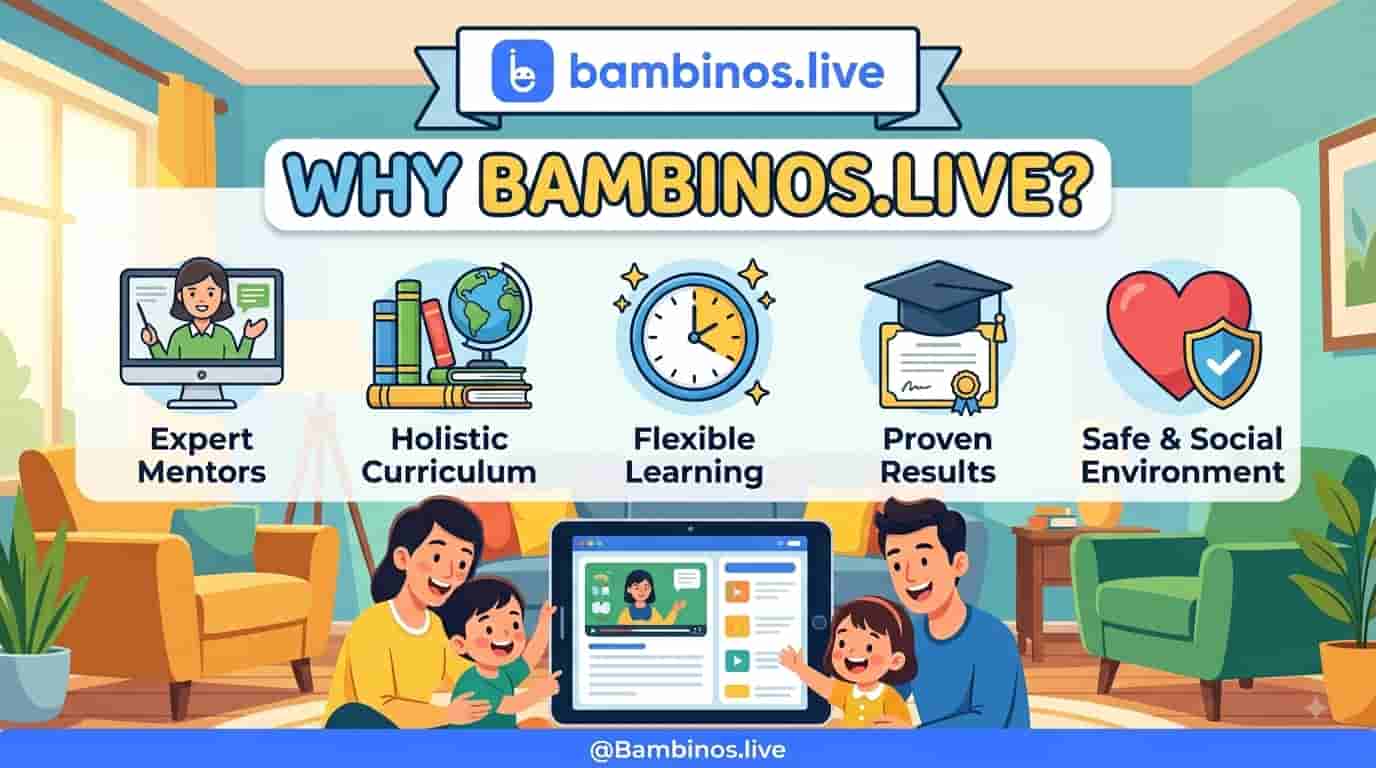
Bambinos.live combines live teaching, remote learning, small-group classes, structured courses, and Doodle-based learning to create an interactive environment for children.
For families comparing the best virtual classes for kids in India, Bambinos.live can be considered when teacher interaction, peer learning, creative activities, and age-appropriate programs are important factors.
- Live small-group classes: Children participate in live sessions where they can interact with teachers and other learners.
- Doodle-based learning: Doodle-based learning uses visual and creative elements to make lessons more interactive and engaging for children.
- Remote learning: Bambinos.live provides remote learning experiences that allow children to attend structured classes from home.
- Small-group learning: Small-group sessions provide opportunities for children to interact with teachers and peers instead of relying only on recorded lessons.
- Age-appropriate programs: Parents can explore programs based on their child's age, interests, and learning needs.
- Funded education company: Bambinos.live is a funded education company that appeared on Shark Tank India Season 4 and received investment from Anupam Mittal, Namita Thapar, and Ritesh Agarwal.
- Structured learning: Courses provide guided learning experiences across different subjects and skill areas, helping parents explore programs according to their child's interests.
Ready to find the right online learning experience?
By now, you have a better understanding of what to look for when choosing the best virtual classes for kids in India. Teaching quality, class size, interaction, age suitability, course structure, and engaging activities can help parents compare different learning programs.
Bambinos.live brings together live teaching, small-group learning, remote learning, and Doodle-based learning to create an interactive environment for children. Parents can explore programs based on their child's age, interests, and learning needs.
Explore the best virtual classes for kids in India with Bambinos.live. Book a free demo to discover live, small-group learning experiences designed around your child's age, interests, and learning needs.
FAQs
1. What are the best virtual classes for kids in India?
The best virtual classes for kids in India are programs that match a child’s age, interests, learning needs, and learning style. Parents can look for live teacher interaction, small-group sessions, age-appropriate content, engaging activities, and structured courses. The right program can make learning more interactive while helping parents address concerns about attention, participation, and screen time.
2. Are virtual classes for kids in India suitable for young children?
Yes, virtual classes for kids in India can be suitable for young children when lessons are designed around their age and attention span. virtual classes for preschoolers can use stories, games, visuals, conversations, and interactive activities to encourage participation. Parents should also consider lesson duration, teacher interaction, screen-time balance, and whether their child feels comfortable learning online.
3. Can virtual classes help children build confidence?
Yes, virtual classes can help children build confidence by giving them opportunities to speak, answer questions, share ideas, and participate in group activities. Confidence-building programs can provide regular communication practice in a supportive environment. This can be helpful for children who are hesitant to speak or participate, although confidence develops differently for every child.
4. Are storytelling classes useful for children?
Yes, storytelling classes can be useful for children because they encourage communication, creativity, listening, and self-expression. Sessions may include activities such as creating stories, discussing characters, narrating, and answering questions. These activities give children opportunities to express their ideas and practise communication skills while keeping lessons engaging. Parents can choose a program based on age and interests.
5. How can parents choose online learning platforms for students?
Parents can choose online learning platforms for students by checking class size, teacher interaction, course structure, age suitability, activities, schedules, and learning support. They should also consider whether the platform matches their child’s interests and learning needs. A trial or demo class can help families understand the teaching approach and decide whether it suits their child.
6. Are small-group classes better for children’s online learning?
Yes, small-group classes can give children more opportunities to participate, ask questions, communicate with teachers, and interact with peers. They can be useful for children who enjoy discussions and collaborative activities. However, this format may not suit every child. Parents should also consider teaching quality, course structure, age suitability, and their child’s individual learning preferences.
7. Can parents use online learning platforms for elementary students?
Yes, parents can use online learning platforms for elementary students to access structured academic and skill-based courses. Interactive platforms can include live teaching, activities, discussions, and guided practice. Parents can select programs according to their child’s age, interests, learning goals, schedule, and preferred learning style, making it easier to find a suitable learning environment.
About the Author
Bambinos Learning Solutions
AuthorBambinos is India’s #1 online learning platform for kids built by a team of IIM & IIT graduates.
LinkedIn Profile ↗